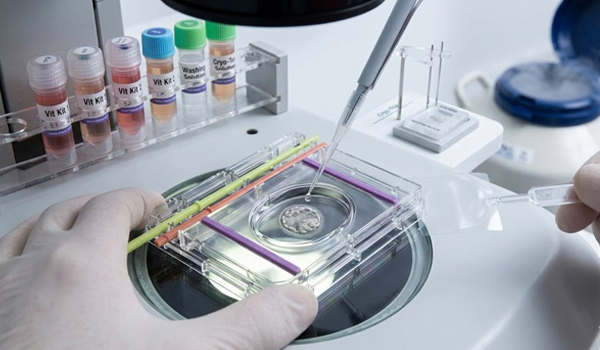
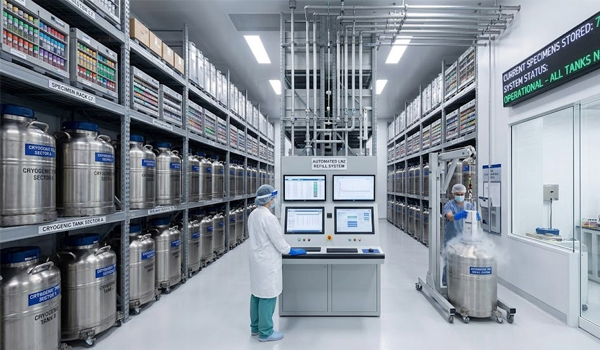

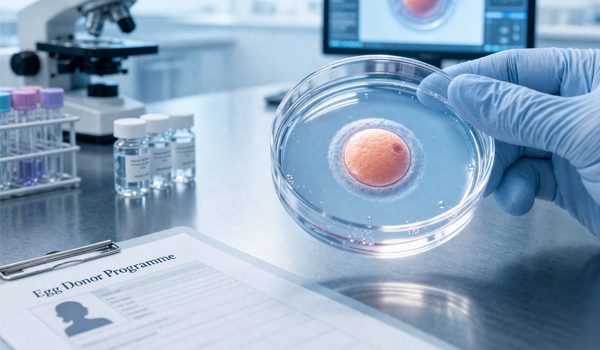

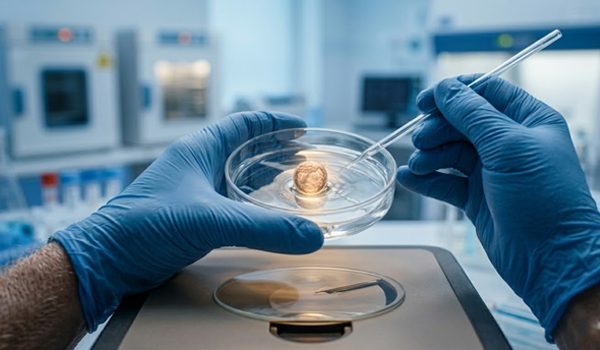








Blastocyst Transfer places a Day 5 or Day 6 embryo into the uterus when it is more developed and the uterine environment is prepared for implantation.
Blastocyst Transfer
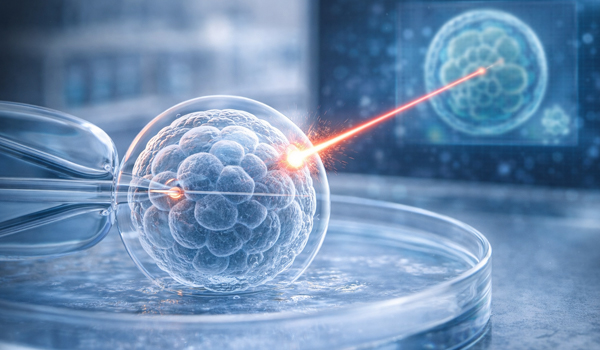
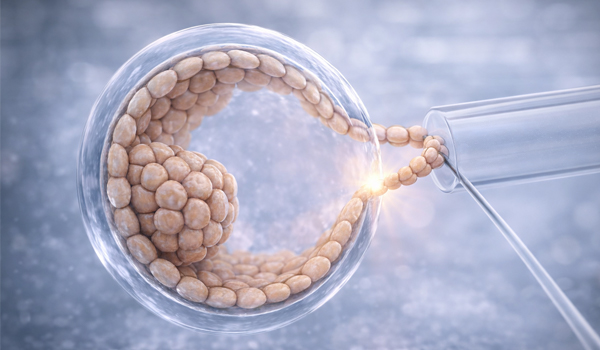
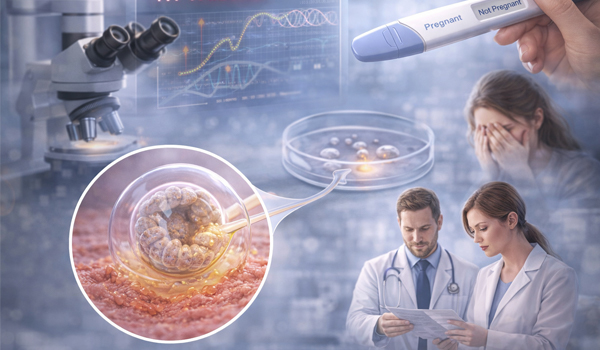
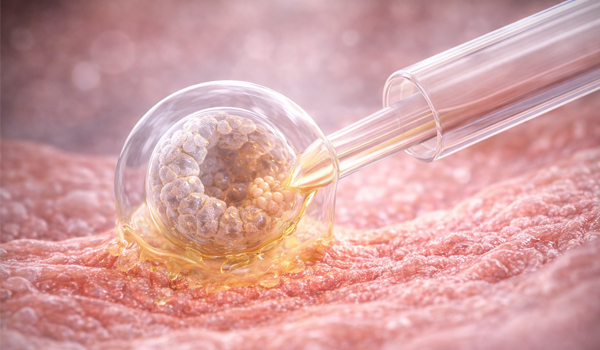
A blastocyst is an embryo that has developed for about five days after fertilisation. By this stage, it has grown into a more advanced structure with two distinct cell groups—one that will eventually form the baby and another that forms the placenta. Blastocyst Transfer involves placing this well-developed embryo back into the uterus at the point when the body is naturally most prepared for implantation.
Day 5 blastocyst transfer success rates are often higher for many couples because the embryo has reached a stage where it is stronger, more developed, and better aligned with the body's natural timing for implantation.
How the IVF blastocyst transfer Process Works
Under Dr Manmeet Batra's care, the blastocyst transfer is carried out with close attention to timing, embryo quality and clear communication at every stage.
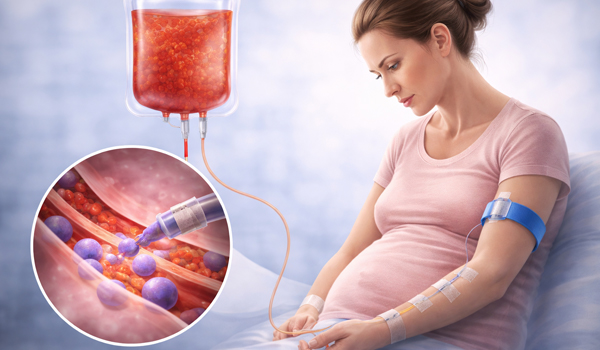
1. Ovarian Stimulation
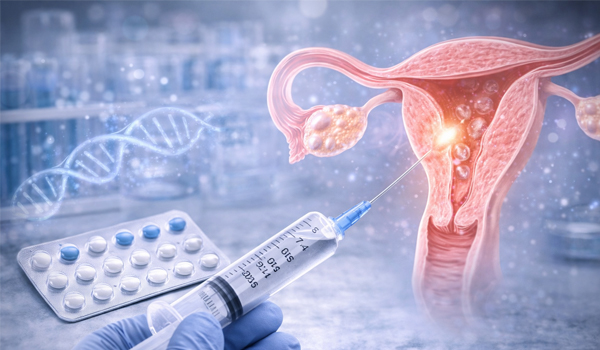
You begin your cycle with medications that help the ovaries produce multiple healthy eggs. This step is similar to a standard IVF cycle.
2. Egg Retrieval
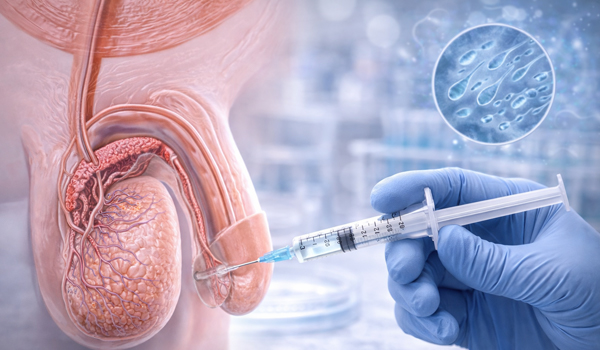
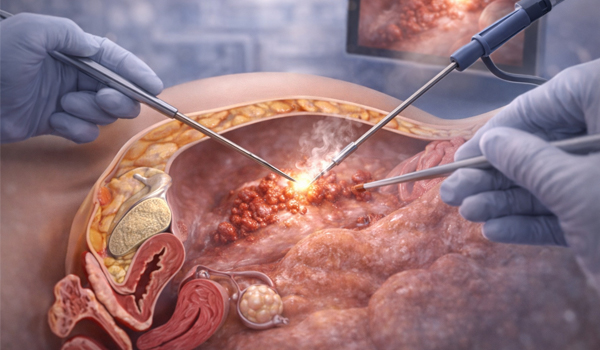
Once the follicles are ready, the eggs are collected through a short procedure. This is done under guidance to ensure comfort and safety.
3. Fertilisation in the Lab
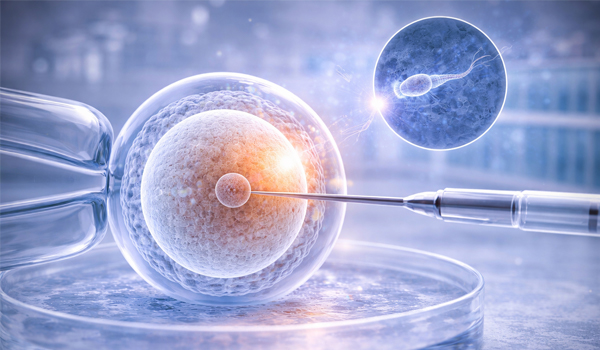
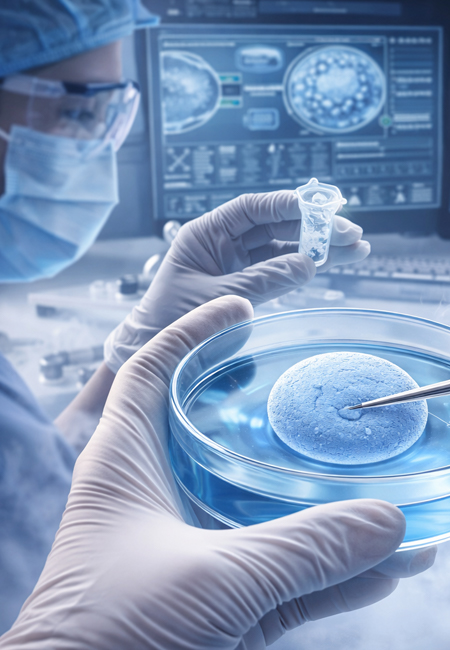
The retrieved eggs are fertilised with sperm in the embryology lab. The developing embryos are then observed closely each day.
4. Growth to the Blastocyst Stage
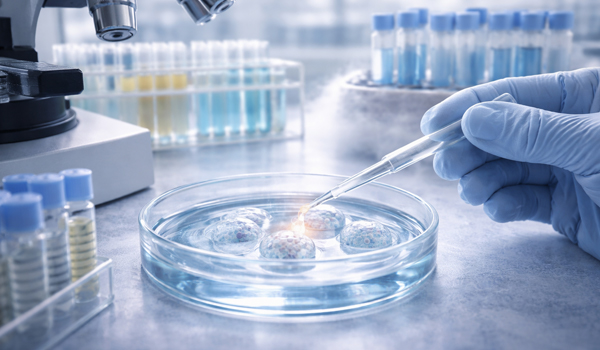
Only embryos that continue to grow normally reach the Day 5 or Day 6 blastocyst stage. These embryos are stronger, more developed and better suited for transfer.
5. Preparing the Uterus
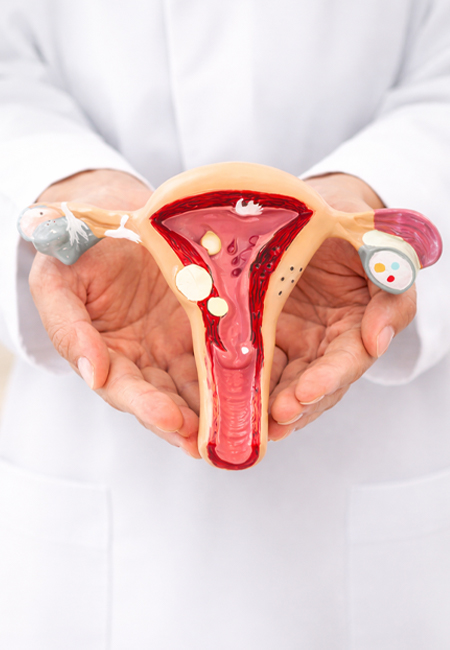
Your uterine lining is monitored to ensure it is the right thickness and texture for implantation. Once the lining is ready, the transfer is scheduled.
6. Blastocyst Transfer
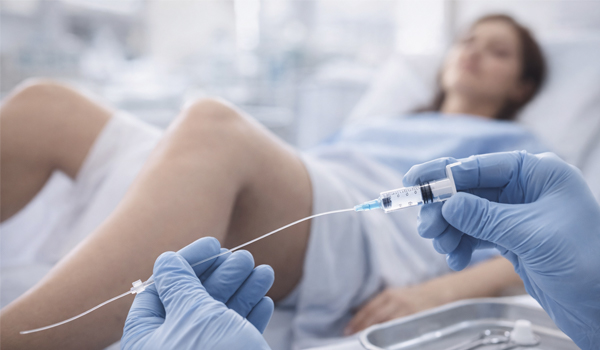
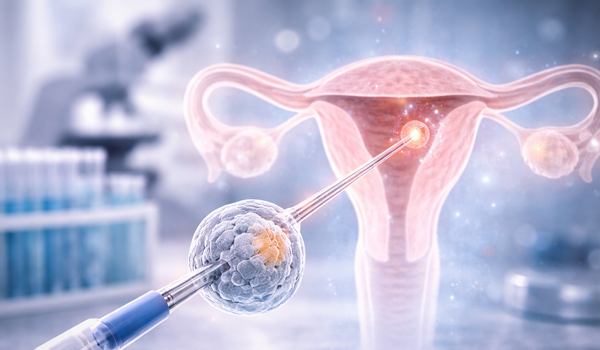
A selected blastocyst is gently placed into the uterus using a thin, flexible catheter. The process is quick, painless and usually does not require anaesthesia.
7. After the Procedure
You can return to your routine activities soon after the transfer unless specific instructions are given. The focus then shifts to helping the blastocyst implant naturally.