




Hormonal imbalance in young women is very common these days. Many patients come to us with confusion, fear or incomplete information—especially about whether they have PCOD or PCOS, how it affects fertility, and its treatment.
Expert Hormonal Care for Every Woman
Hormonal imbalance in young women is very common these days. Many patients come to us with confusion, fear or incomplete information—especially about whether they have PCOD or PCOS, how it affects fertility, and its treatment. Under the care of Dr Manmeet Batra, a renowned Gynaecologist and Fertility & IVF expert, you will receive a clear diagnosis, personalised treatment, and long-term hormonal balance plans that support your overall health as well as your future pregnancy goals.
What Is PCOD?
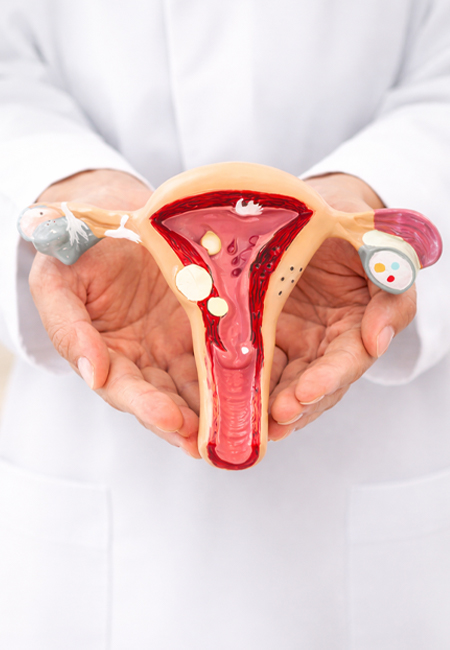
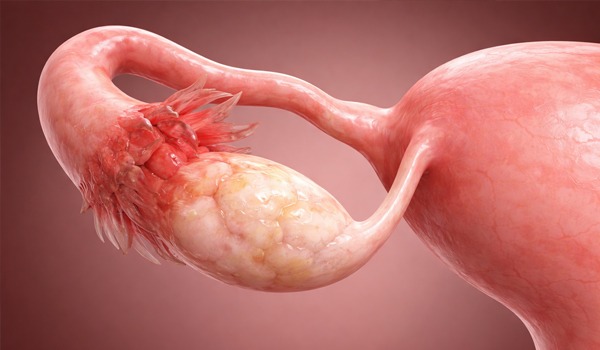
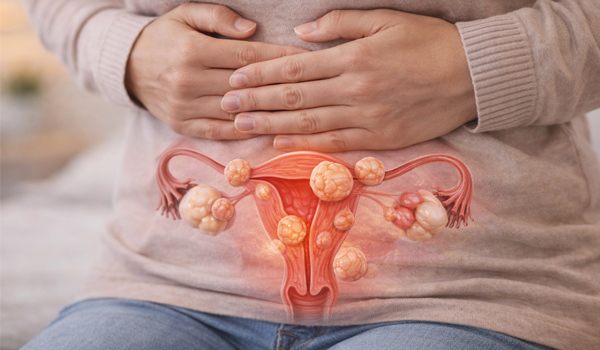
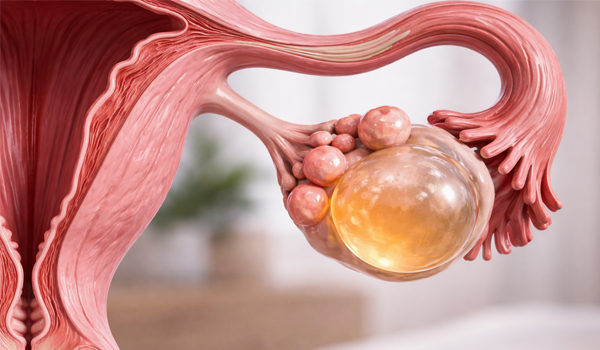
PCOD (Polycystic Ovarian Disease), happens when the ovaries release immature eggs, leading to small cyst-like follicles, irregular periods and hormonal imbalance.
The PCOD problem in females is essentially a lifestyle-linked ovarian dysfunction, where the ovaries may become enlarged and produce excess androgens (male hormones). This can affect periods, skin, weight and sometimes fertility.
Symptoms of PCOD Problem in Females
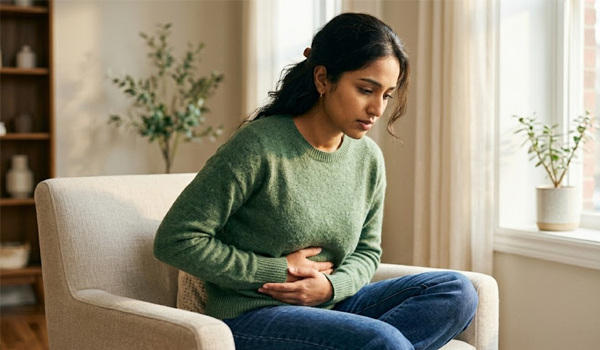
PCOD symptoms vary from person to person. Some women have only one sign; others have many. Common symptoms of PCOD in females include:
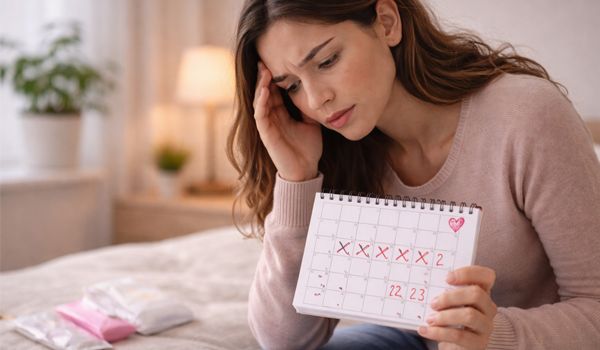
- Irregular or delayed periods
- Difficulty in losing weight or sudden weight gain
- Acne or oily skin
- Excess facial or body hair
- Thinning scalp hair
- Mood swings or fatigue
- Difficulty conceiving due to irregular ovulation
- Dark patches on the neck or underarms
- Bloating or pelvic discomfort
What Is PCOS?
PCOS (Polycystic Ovary Syndrome) is not just an ovarian issue—it is a whole-body metabolic and hormonal disorder. PCOS affects:
- Insulin levels
- Hormones
- Ovulation
- Weight
- Skin and hair health
PCOS can IMPACT FERTILITY MORE THAN PCOD and often requires medical management along with lifestyle changes.
PCOD vs PCOS – What’s the Difference?
Many patients confuse PCOD with PCOS, but they are not the same. Dr Manmeet Batra clearly identifies whether you have PCOD or PCOS and guides you with the treatment that suits your body best.
| Aspect | PCOD | PCOS |
|---|---|---|
| Definition | A functional ovarian disorder where the ovaries release immature eggs due to lifestyle, stress, and irregular cycles. | A metabolic and endocrine syndrome affecting hormones, insulin regulation, and reproductive health. |
| Severity | More common and usually milder. | Less common but often more severe. |
| Ovulation Pattern | Ovulation is irregular but generally occurs. | Ovulation often stops due to anovulation. |
| Androgen Levels | Mildly elevated or near-normal. | Significantly raised, causing acne, hirsutism, and scalp hair thinning. |
| Metabolic Impact | Minimal metabolic disturbance; sugar and lipid levels mostly normal. | Frequently linked with insulin resistance, weight issues, thyroid imbalance, and prediabetes. |
| Ultrasound Findings | Slightly enlarged ovaries with multiple immature follicles. | Increased ovarian volume with a classic “string of pearls” appearance. |
| Period Pattern | Delayed or irregular, improves with lifestyle changes. | Prolonged gaps in menstruation (months) often require medical treatment. |
| Fertility Impact | Fertility is usually preserved; conception is possible with lifestyle modification. | May need medical ovulation induction, hormonal therapy, or fertility support. |
Types of PCOS
While PCOD mostly relates to ovarian function, PCOS has four main types. Understanding this helps create targeted treatment:
- Insulin-Resistant PCOS: This is the most common type, caused when cells stop responding to insulin properly, leading to weight gain, fatigue, sugar cravings, and irregular periods.
- Post-Pill PCOS: Occurs after stopping certain birth control pills, when your body temporarily overproduces hormones, causing irregular cycles and acne until balance returns.
- Inflammatory PCOS: Triggered by chronic inflammation in the body, which disrupts ovulation and leads to symptoms like bloating, fatigue, skin issues, and slow metabolism.
- Adrenal PCOS: Characterised by high stress hormones (like DHEA-S), this type shows up in women whose ovaries are normal but whose adrenal glands overproduce androgens during stress.
PCOD/PCOS Treatment Approach By Dr Manmeet Batra
Every woman receives a customised plan that focuses on:
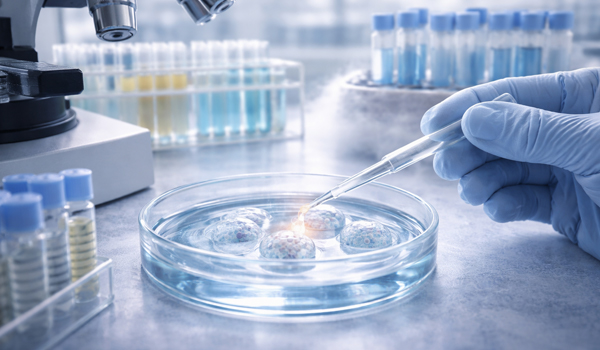
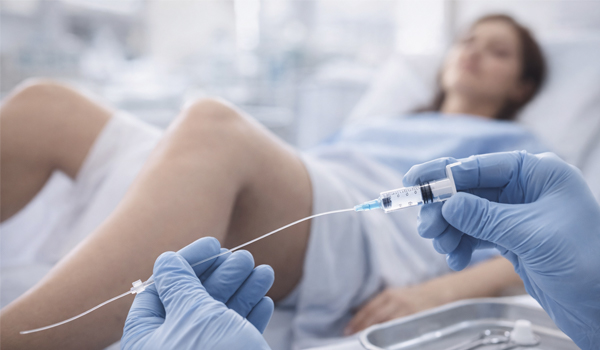
✔ Period Regulation: Using safe, evidence-based methods to restore hormonal balance. ✔ Ovulation Support: Improving egg release naturally or with mild medication where needed. ✔ Weight & Metabolic Management: Nutrition, insulin control and body-specific lifestyle changes. ✔ Skin & Hair Symptom Management: Acne, hair fall and excess facial hair are addressed holistically. ✔ Stress & Sleep Optimisation: Essential for reducing flare-ups. ✔ Fertility-Focused PCOS / PCOD Care: For women trying to conceive, Dr Batra offers advanced fertility treatment, including ovulation induction, IUI and IVF when necessary.
Your Care, Your Hormones, Your Future
PCOS and PCOD are completely manageable with the right guidance. Many women experience a combination of patterns, and symptoms may change over time. With compassionate counselling and evidence-based treatment, Dr Manmeet Batra — a Gynaecologist, IVF & Fertility specialist— supports women at every stage, from diagnosis to recovery and even conception.