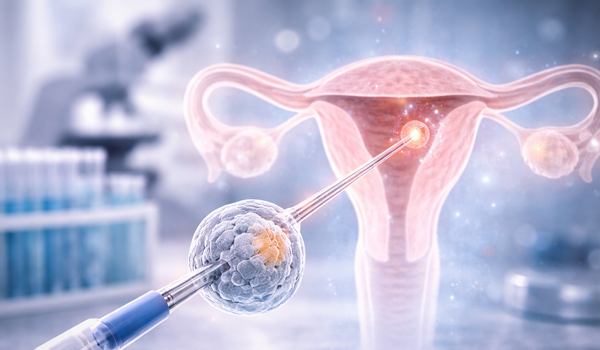
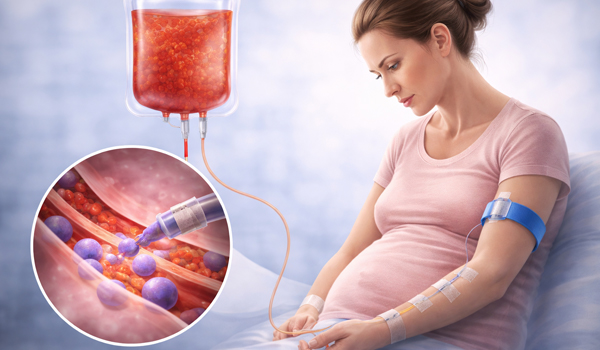
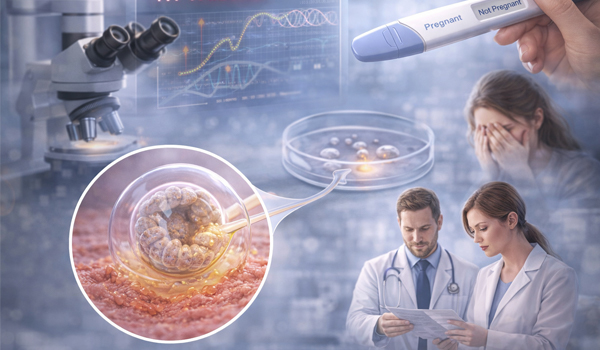

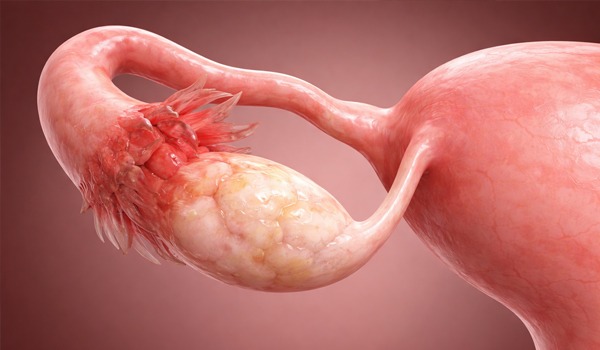

Endometriosis is a chronic gynaecological condition in which tissue similar to the lining of the uterus (endometrium) grows outside the uterus.
What Is Endometriosis?
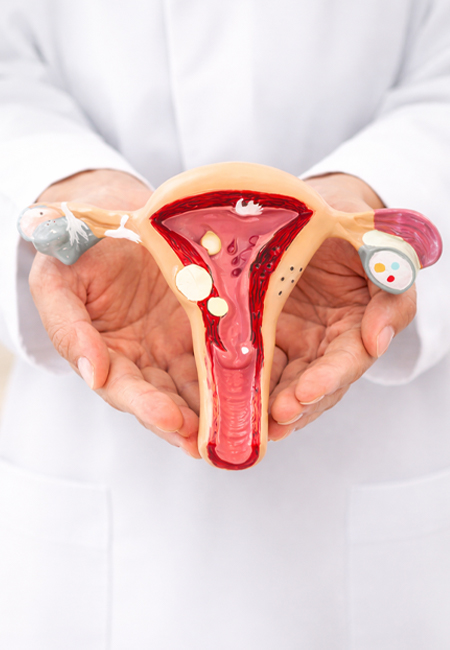
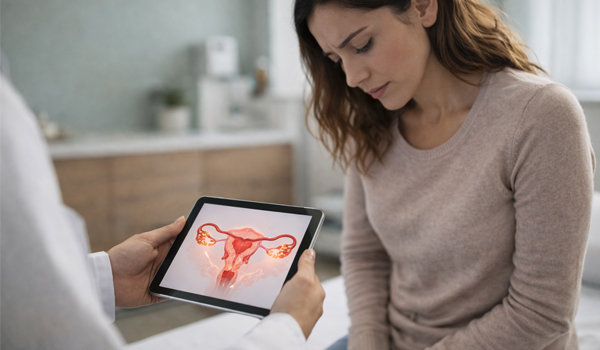
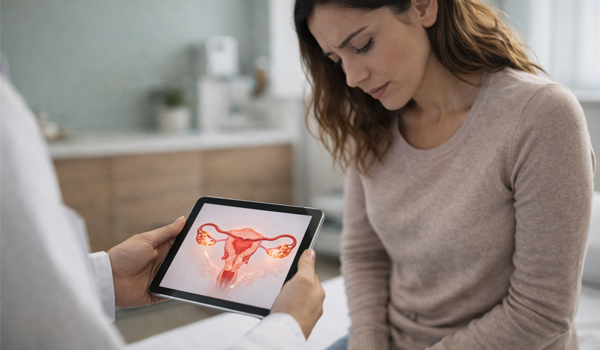
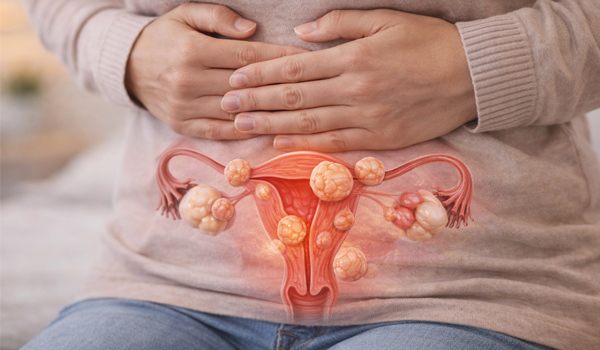
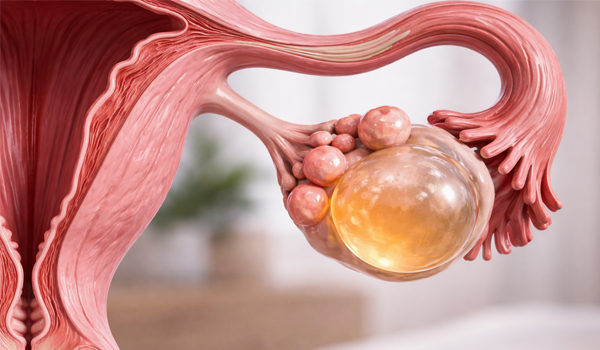
Endometriosis is a chronic gynaecological condition in which tissue similar to the lining of the uterus (endometrium) grows outside the uterus. These growths are commonly found on the ovaries, fallopian tubes, pelvic lining, bladder, bowel, or even surgical scars. This tissue behaves like normal uterine lining—thickening and bleeding during the menstrual cycle—but has no way to exit the body, leading to pain and inflammation.
Endometriosis Causes
Endometriosis is a condition that can happen due to more than one reason. In many women, it is linked to hormone imbalance (especially high oestrogen), family history, body inflammation, or backward flow of menstrual blood. The reason can be different for every patient. That is why proper check-ups and correct diagnoses are very important. After understanding the symptoms and test reports, treatment is planned according to the patient’s health and future pregnancy needs.
Endometriosis Symptoms
Symptoms can vary from mild to severe, and some women may have symptoms even before diagnosis. Here are the most common 20 Symptoms of Endometriosis:
- Painful periods (dysmenorrhoea)
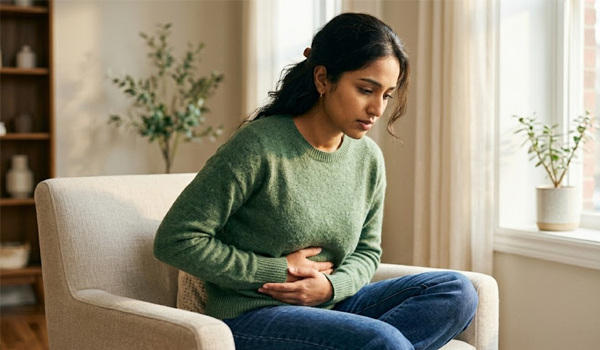
- Chronic pelvic pain
- Pain during or after intercourse
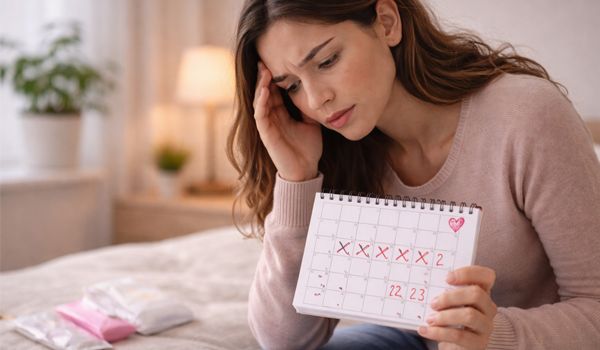
- Heavy menstrual bleeding
- Irregular periods
- Painful bowel movements
- Pain during urination
- Lower back pain
- Abdominal bloating
- Fatigue
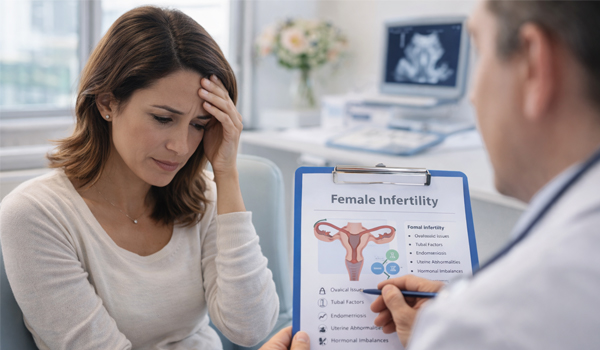
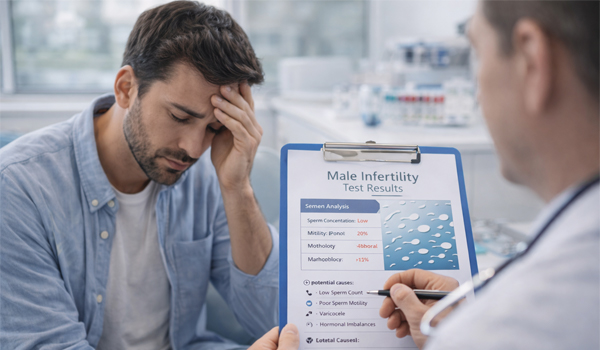
- Infertility or difficulty conceiving
- Pain before menstruation
- Digestive issues
- Nausea
- Diarrhoea or constipation during periods
- Pain during ovulation
- Spotting between periods
- Anxiety or mood changes
- Scar pain after surgery
- Pain that worsens over time
Adenomyosis vs Endometriosis
Adenomyosis and endometriosis are two different conditions, although both can cause painful and heavy periods.
In endometriosis, tissue similar to the uterine lining grows outside the uterus, commonly around the ovaries, fallopian tubes, or pelvic area. This often leads to pelvic pain, painful periods, and difficulty conceiving. Whereas, in adenomyosis, the same type of tissue grows within the muscle wall of the uterus, making the uterus bulky and causing severe cramps and heavy bleeding.
Because the location of the problem is different, the treatment approach also differs, which is why correct diagnosis is important. Dr Manmeet Batra evaluates each patient carefully and recommends treatment only after confirming the exact condition.
Endometriosis Treatment
Endometriosis treatment depends on symptom severity, age, and fertility goals. Options include:
- Pain management medications
- Hormonal therapy
- Lifestyle and dietary changes
- Fertility-focused treatment plans
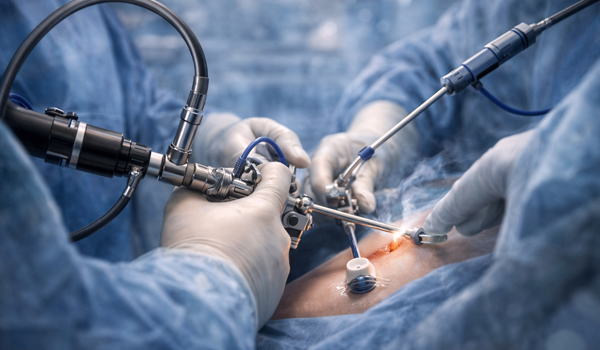
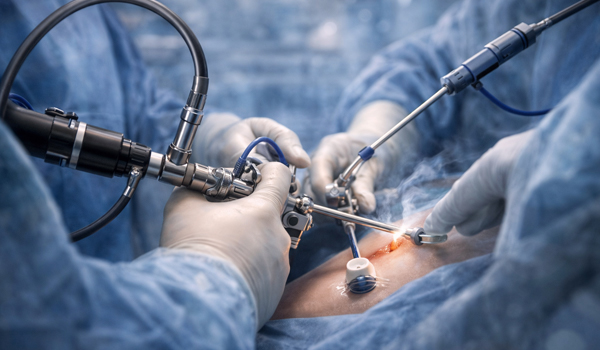
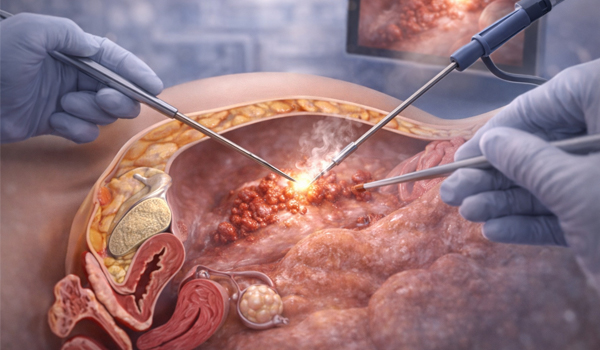
For moderate to severe cases, endometriosis surgery may be recommended. Laparoscopic surgery helps remove or destroy endometrial implants, reduce pain, and improve fertility outcomes when conservative treatment is not effective.
Specialised Care for Endometriosis and Fertility
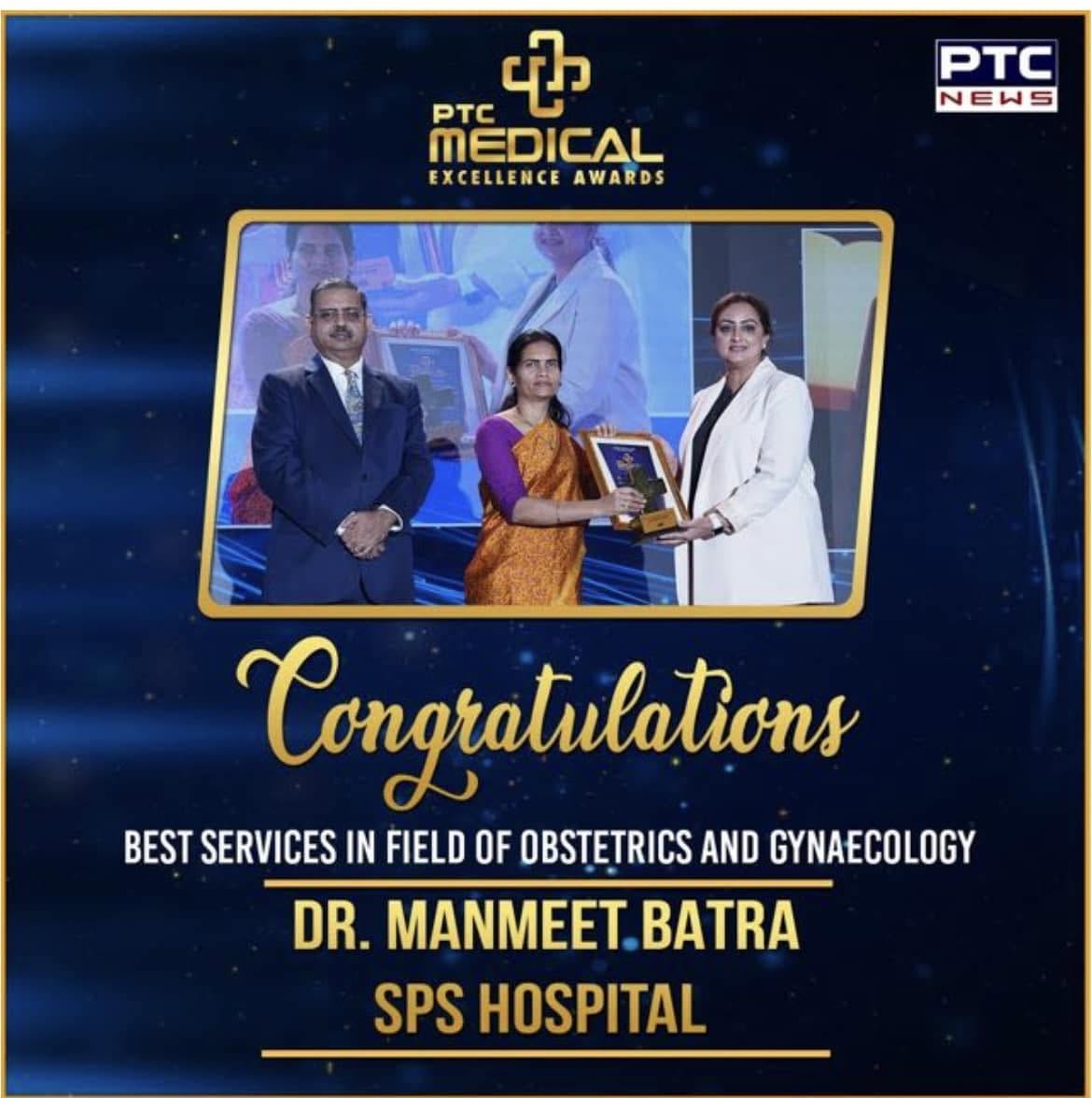
If you are dealing with ongoing pelvic pain, painful periods, or fertility concerns, it is important to consult a gynaecologist at the right time. Early evaluation helps in reaching the correct diagnosis and planning treatment without delay. Consult with Dr Manmeet Batra. She is the best Gynaecologist, Fertility Specialist, and Laparoscopic Surgeon who treats patients from across India as well as from overseas, including patients from Edmonton, Canada. Book your consultation today.
endometriosis symptoms
what is endometriosis
endometriosis treatment
endometriosis causes
endometriosis surgery
scar endometriosis
20 symptoms of endometriosis
adenomyosis vs endometriosis